Artwork: A Unique and Clean Display Font for Modern Design Projects
In the ever-evolving world of design, typography plays a crucial role in shaping the visual identity of any project. From branding to digital interfaces, the right font can make all the difference in how a message is received and perceived. Artwork, a unique and clean display font, has emerged as a powerful tool for professionals, creators, entrepreneurs, marketers, freelancers, and enthusiasts alike. Its versatility and aesthetic appeal make it an ideal choice for a wide range of design applications, including branding, headings, logos, labels, and more.
What is Artwork?
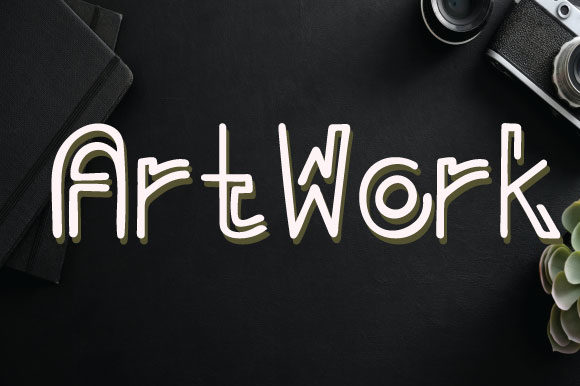
Artwork is a display font designed with a focus on clarity, elegance, and adaptability. Unlike traditional serif or sans-serif fonts that have been around for decades, Artwork brings a fresh perspective to typography by combining modern minimalism with subtle artistic flair. It features clean lines, balanced proportions, and a refined structure that ensures readability across various media and sizes.
This font is particularly well-suited for use in high-impact design scenarios where visual hierarchy and legibility are key. Whether you're designing a logo, crafting a headline for a marketing campaign, or creating a label for a product, Artwork provides a professional yet approachable look that resonates with diverse audiences.
The Role of Typography in Contemporary Design
In today’s digital-first environment, typography has become more than just a decorative element—it's a strategic component of user experience (UX) and brand identity. As consumers engage with content across multiple platforms, from websites to mobile apps, the need for consistent and compelling typography has never been greater.
Artwork aligns perfectly with this trend by offering a font that is both visually striking and functionally sound. Its clean design allows for easy scanning, which is essential in environments where users consume large amounts of information quickly. Moreover, its adaptability makes it suitable for both print and digital formats, ensuring that your designs remain cohesive across different mediums.
Why is Artwork Gaining Attention?
The growing interest in Artwork can be attributed to several factors, including shifting design trends, evolving consumer expectations, and advancements in technology.
- Modern Minimalism: There is a clear shift toward minimalistic design in both web and print media. Artwork embodies this trend with its sleek, uncluttered style that complements modern aesthetics without overwhelming the viewer.
- Brand Differentiation: In a competitive market, standing out is essential. Artwork helps brands create a distinct visual identity that is memorable and professional.
- Digital Adaptability: With the rise of responsive design and cross-platform compatibility, having a font that performs well on screens of all sizes is crucial. Artwork is optimized for digital use, ensuring that it remains sharp and legible even at smaller sizes.
- Creative Flexibility: Designers appreciate the ability to experiment with typography without sacrificing readability. Artwork offers enough variation in weight and style to allow for creative expression while maintaining a cohesive look.
How Artwork Fits into Broader Industry Trends
The design industry is constantly evolving, driven by new technologies, changing consumer behaviors, and emerging creative movements. Artwork is not just a font; it's a reflection of these broader shifts.
One of the most significant trends in recent years has been the increasing importance of accessibility in design. As designers strive to create inclusive experiences, they must consider factors such as color contrast, font size, and legibility. Artwork supports these efforts by providing a font that is both visually appealing and accessible to a wide range of users, including those with visual impairments.
Additionally, the rise of AI and machine learning in design tools has led to a greater emphasis on efficiency and automation. While these technologies streamline many aspects of the design process, they also require a strong foundation in typography to ensure that automated outputs maintain a high level of quality. Artwork serves as a reliable base for these innovations, offering a consistent and professional look that can be easily integrated into AI-generated designs.
Practical Applications of Artwork
Artwork is incredibly versatile and can be used in a variety of contexts. Here are some practical examples of how it can enhance different types of projects:
- Branding: Use Artwork for logos, taglines, and brand identities to create a modern and sophisticated look that reflects professionalism and creativity.
- Headings and Titles: Incorporate Artwork into website headers, blog titles, and presentation slides to draw attention and establish a clear visual hierarchy.
- Product Labels and Packaging: The clean and elegant style of Artwork makes it ideal for product packaging, where clarity and aesthetics go hand in hand.
- Marketing Materials: From brochures to social media posts, Artwork can help create eye-catching visuals that resonate with target audiences.
- Print and Digital Media: Whether you're designing a poster or a digital ad, Artwork ensures that your typography looks great on both print and screen.
The Future of Typography and the Role of Artwork
As we move further into the 21st century, the role of typography in design will only continue to grow. With the proliferation of digital content and the increasing demand for personalized experiences, the need for adaptable and expressive fonts like Artwork will become even more pronounced.
Designers and creators who embrace Artwork are not only staying ahead of current trends but also positioning themselves for future opportunities. By incorporating this font into their workflow, they can create designs that are both aesthetically pleasing and functionally effective, meeting the needs of a diverse and dynamic audience.
In conclusion, Artwork represents a thoughtful evolution in typography—one that balances beauty with utility, tradition with innovation, and form with function. As the design landscape continues to evolve, Artwork stands out as a font that is not only relevant but also essential for anyone looking to elevate their creative work to the highest level.