Contour: A Bold and Thick Lettered Display Font for Nature-Inspired Designs
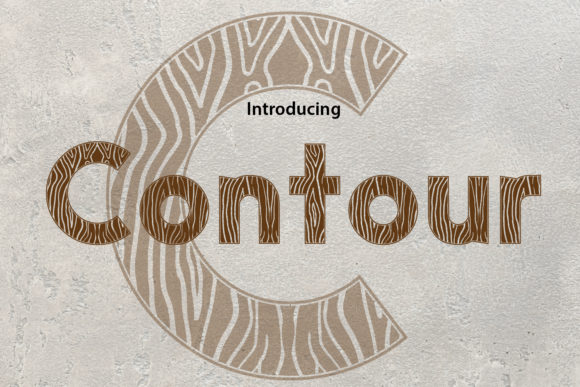
Contour is a bold and thick lettered display font that brings a sense of strength and character to any design project. Its unique style, with its heavy strokes and organic feel, makes it especially well-suited for themes related to nature, wood, wildlife, and other earthy subjects. Whether you're designing a logo, poster, or website header, Contour can help you create a strong visual identity that resonates with your audience.
If you're looking for a font that conveys power and simplicity in equal measure, Contour offers a compelling solution. It's designed to stand out without being overwhelming, making it ideal for headlines, titles, and other prominent text elements. This font works particularly well when paired with natural textures or imagery, enhancing the overall aesthetic of the design.
Understanding the Challenges in Designing with Nature Themes
Creating designs that reflect nature often comes with its own set of challenges. The goal is to capture the essence of the natural world—its beauty, complexity, and raw energy—in a way that feels authentic and engaging. However, finding the right font that aligns with these themes can be difficult. Many fonts either look too modern or lack the weight and texture needed to convey the depth of natural elements.
Another common challenge is ensuring that the typography complements rather than competes with the visuals. When working with images of wood, leaves, or animals, the font needs to blend seamlessly into the composition while still drawing attention to key messages or brand names.
How Contour Addresses These Challenges
Contour helps overcome these challenges by offering a font that naturally fits within nature-inspired design contexts. Its bold and thick lettering gives it a tactile, almost hand-carved appearance, which echoes the textures found in natural materials like wood and stone. This makes it an excellent choice for projects that aim to evoke a sense of authenticity and connection to the outdoors.
Additionally, Contour’s clean lines and structured forms provide a balance between ruggedness and readability. This ensures that even though it has a strong visual presence, the text remains easy to read and understand—important for effective communication in any design.
Practical Applications of Contour in Design
Contour is incredibly versatile and can be used in a wide range of design applications. Here are some practical examples of how this font can be utilized:
- Logo Design: For businesses that focus on outdoor activities, eco-friendly products, or nature conservation, Contour can serve as the foundation for a powerful and memorable logo.
- Poster and Print Design: When creating posters for events like hiking trips, wildlife festivals, or environmental campaigns, Contour adds a commanding presence that draws the eye and communicates the event’s purpose clearly.
- Web Design: On websites that promote natural products or services, using Contour in headers or call-to-action buttons can enhance user engagement and reinforce the brand’s message.
- Product Packaging: Brands selling wooden furniture, handmade crafts, or organic skincare products can use Contour to create packaging that feels both premium and connected to nature.
These applications demonstrate how Contour can be tailored to different needs while maintaining a consistent and impactful visual language across various mediums.
Considerations for Using Contour Effectively
While Contour is a strong and versatile font, there are a few considerations to keep in mind when using it in your designs:
- Pairing with Other Fonts: To avoid overwhelming the reader, pair Contour with a complementary sans-serif or serif font for body text. This creates a clear visual hierarchy and improves readability.
- Color Choices: Since Contour has a bold and thick structure, it pairs well with earthy tones such as greens, browns, and muted reds. These colors enhance the font’s natural feel and make it more visually cohesive with nature-themed designs.
- Spacing and Kerning: Due to its thickness, Contour may require adjustments in spacing and kerning to ensure that letters sit evenly and don’t appear cramped or uneven.
By keeping these factors in mind, designers can maximize the impact of Contour while ensuring that their projects remain visually appealing and functional.
Different Approaches to Using Contour
Depending on the designer’s goals and the specific project requirements, Contour can be approached in different ways. Some may prefer to use it as a primary font for all major headings, while others might reserve it for select elements to maintain visual balance.
For example, a graphic designer working on a promotional poster for a wildlife sanctuary might use Contour for the main title to draw attention, while using a lighter font for supporting information. In contrast, a web developer creating a landing page for a sustainable furniture brand might apply Contour to the headline and call-to-action buttons, reinforcing the brand’s commitment to quality and craftsmanship.
No matter the approach, the key is to ensure that Contour enhances the overall design rather than distracts from it. This requires thoughtful planning and an understanding of how typography interacts with other visual elements.
Whether you’re an experienced designer or just starting out, Contour offers a powerful tool for creating designs that resonate with audiences interested in nature, sustainability, and authenticity. By leveraging its bold and thick lettering, you can craft visuals that not only stand out but also tell a compelling story about the world around us.