Jelly Fish: A Playful Font That Elevates Your Visual Storytelling
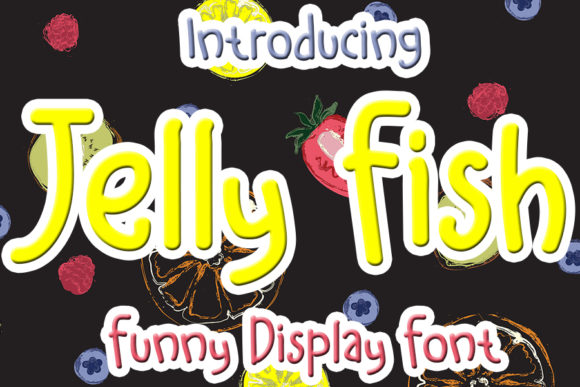
Fonts are more than just tools for communication—they're expressions of personality, tone, and creativity. In a world where visual appeal plays a crucial role in capturing attention, the right font can make all the difference. Enter Jelly Fish, a cute and playful display font that brings color, joy, and whimsy to any design project. Whether you're crafting marketing materials, designing social media graphics, or creating content for your blog, Jelly Fish is a versatile choice that adds a touch of charm without compromising professionalism.
The Rise of Playful Typography in Modern Design
In recent years, there's been a noticeable shift toward more expressive and emotive typography. Designers and creators are moving away from the rigid, traditional fonts that once dominated the digital landscape. Instead, they're embracing styles that reflect individuality and evoke emotion. This trend aligns perfectly with the growing demand for personalized branding and user-centric design.
Jelly Fish fits into this movement by offering a unique blend of playfulness and functionality. Its rounded, bouncy letterforms and vibrant aesthetics make it ideal for projects that aim to stand out while maintaining a friendly and approachable vibe. From children’s books to promotional banners, Jelly Fish adds a sense of fun that resonates with audiences across various age groups and industries.
Why Jelly Fish Is a Go-To Choice for Creators and Professionals
Creativity thrives on experimentation, and Jelly Fish provides an excellent opportunity to explore new visual directions. For designers, marketers, and entrepreneurs, the font offers a way to inject energy into otherwise mundane content. It’s particularly well-suited for headlines, logos, and call-to-action buttons, where a bit of flair can significantly impact user engagement.
Consider a small business owner launching a new product line. Traditional sans-serif fonts might convey reliability but lack the spark needed to cut through the noise. By using Jelly Fish in key elements of their branding, they can create a memorable and emotionally engaging experience for customers. The same applies to bloggers and content creators who want to build a strong online presence—Jelly Fish helps them stand out in a sea of generic text.
Practical Applications of Jelly Fish in Everyday Workflows
The versatility of Jelly Fish makes it a valuable asset in a variety of professional settings. Here are some realistic examples of how it can be used:
- Social Media Graphics: Use Jelly Fish for captions, hashtags, or overlay text to add a playful touch to Instagram posts, Facebook ads, or Twitter promotions.
- Email Marketing: Incorporate Jelly Fish in subject lines or headers to grab attention and encourage opens.
- Website Design: Apply the font to headings, buttons, or hero sections to enhance visual appeal and user interaction.
- Print Materials: From flyers to packaging, Jelly Fish can bring a sense of joy and creativity to physical designs.
These applications highlight how Jelly Fish can be seamlessly integrated into modern workflows, making it a practical choice for professionals who value both aesthetics and functionality.
Jelly Fish and the Evolution of Digital Communication
As digital communication continues to evolve, so do the expectations of users. People now seek experiences that are not only informative but also visually stimulating and emotionally resonant. This has led to an increased focus on emotional design—a concept that emphasizes the importance of evoking feelings through visual elements.
Jelly Fish contributes to this evolution by offering a font that communicates warmth and positivity. Its cheerful appearance aligns with the growing preference for brands and content that feel human, relatable, and authentic. In a world where consumers are bombarded with information, standing out requires more than just good content—it requires a compelling visual identity.
How Jelly Fish Fits Into Current Market Trends
The market for creative tools and resources has expanded rapidly, with more individuals and businesses investing in high-quality design assets. Fonts like Jelly Fish are part of this trend, as they cater to the increasing demand for customizable and expressive typography.
According to industry reports, the global font market is expected to grow steadily over the next few years, driven by the rise of digital publishing, e-commerce, and mobile-first design. As more creators look for ways to differentiate themselves, fonts that offer a unique aesthetic will become increasingly valuable. Jelly Fish, with its colorful and joyful style, is well-positioned to meet this demand.
Real-World Examples and Recommendations
To understand the impact of Jelly Fish, consider real-world scenarios where it has been successfully applied. A local bakery, for instance, might use Jelly Fish in its signage and packaging to create a welcoming and inviting atmosphere. Similarly, a tech startup aiming to appear more approachable could incorporate the font in its website and marketing collateral.
For best results, it's important to use Jelly Fish thoughtfully. While its playful nature makes it perfect for attention-grabbing elements, it should be paired with more neutral fonts for body text to ensure readability. This balance allows for a cohesive design that remains professional while still expressing personality.
Another recommendation is to experiment with different color palettes when using Jelly Fish. Since the font itself is designed to be vibrant, pairing it with complementary colors can enhance its visual impact. Tools like Adobe Color or Coolors can help you find the right combinations for your project.
Future Outlook and Continued Relevance
As trends in design continue to shift toward more expressive and personalized approaches, fonts like Jelly Fish will remain relevant. Their ability to convey emotion and character will continue to make them a popular choice among creators and professionals alike.
Looking ahead, it's likely that we'll see even more emphasis on fonts that support emotional connection and brand storytelling. Jelly Fish, with its cheerful and dynamic style, is well-suited to meet these evolving needs. Whether you're a designer, marketer, or content creator, incorporating this font into your work can help you create visuals that resonate with your audience on a deeper level.
Ultimately, Jelly Fish is more than just a font—it's a tool for expression, engagement, and innovation. As the design landscape continues to change, having access to fonts that inspire creativity and joy will be essential for anyone looking to make an impact in the digital world.