Little Melody: A Playful Font That Reshapes Design, Branding, and Creative Workflows
In an era where visual identity is more critical than ever, the choice of typography can define a brand's personality, influence user engagement, and even shape consumer perceptions. Little Melody, a casual and smooth display font with a playful feel, has emerged as a standout in the design world. Its charm lies not just in its aesthetic appeal but also in its ability to adapt to a wide range of creative and business needs. This article explores what Little Melody is, why it resonates with professionals and creators alike, and how it aligns with broader industry trends.
What Is Little Melody?
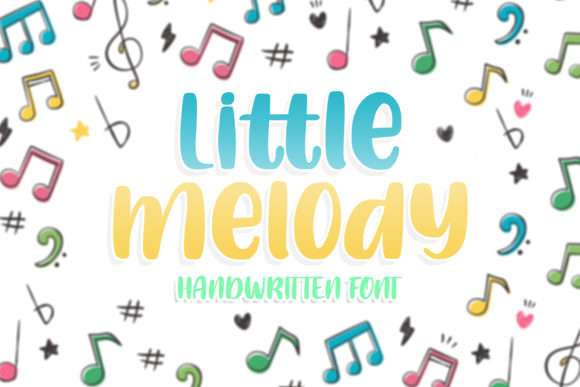
Little Melody is a display font designed for legibility and expressiveness. It combines soft curves with clean lines, creating a balance between whimsy and professionalism. The font’s name itself suggests a sense of lightness and approachability—qualities that are increasingly valued in modern design.
Unlike traditional serif or sans-serif fonts, Little Melody brings a unique character to any project. It works exceptionally well for headlines, logos, packaging, and digital interfaces. Its subtle variations in stroke weight and spacing give it a dynamic presence without overwhelming the reader.
The Rise of Playful Typography in Modern Design
The design landscape has evolved significantly over the past decade. Consumers are no longer satisfied with generic, one-size-fits-all aesthetics. They seek brands that reflect authenticity, emotion, and personality. In this context, playful typography has become a powerful tool for differentiation.
Fonts like Little Melody are part of a larger movement toward more expressive and emotionally engaging design. Whether it's a children's book, a lifestyle brand, or a tech startup looking to humanize its interface, the right font can convey tone, mood, and intent with remarkable precision.
This shift is not merely aesthetic—it's a response to changing consumer expectations. People now demand experiences that resonate on a personal level, and typography plays a crucial role in shaping those experiences.
Why Little Melody Has Captured Attention
Little Melody has caught the attention of designers, marketers, and entrepreneurs because it bridges the gap between fun and functionality. It doesn't sacrifice readability for style, nor does it compromise on elegance for playfulness. This duality makes it versatile enough to be used across various industries and platforms.
Consider a marketing campaign for a new line of eco-friendly toys. Using Little Melody in the branding could instantly communicate a sense of joy, creativity, and approachability—key attributes for a product aimed at children and their parents. Similarly, a boutique coffee shop might use this font in its signage to create a warm, inviting atmosphere that encourages community engagement.
Moreover, the font’s adaptability extends to digital spaces. In web design, Little Melody can be used for call-to-action buttons, headings, or even in micro-interactions that enhance user experience. Its smooth transitions and consistent spacing make it suitable for both print and screen-based media.
Connecting to Broader Trends in Creativity and Business
The popularity of Little Melody reflects a broader trend in the creative and business worlds: the move toward emotional intelligence in design. As companies strive to build stronger connections with their audiences, they're investing in tools that allow them to express empathy, creativity, and individuality.
This is particularly evident in the rise of experiential branding, where the goal is not just to sell a product but to create an experience that resonates with customers. Typography, including fonts like Little Melody, is a key component of this strategy. It helps set the tone, evoke emotions, and reinforce brand messaging in a way that words alone cannot achieve.
Additionally, the increasing importance of user-centered design has led to a greater emphasis on accessibility and inclusivity. While Little Melody may appear whimsical, it is designed with careful attention to legibility, ensuring that it remains accessible to a wide audience. This makes it a responsible choice for designers who want to balance creativity with practicality.
How Little Melody Fits Into Changing Workflows and Expectations
Modern workflows are fast-paced and often require quick decision-making. Designers and marketers need tools that allow them to iterate rapidly while maintaining a high standard of quality. Little Melody fits seamlessly into these workflows by offering a font that is both versatile and easy to use.
For instance, a freelance designer working on multiple projects might appreciate the ease with which Little Melody integrates into different styles and formats. Its compatibility with popular design software such as Adobe Photoshop, Illustrator, and Figma ensures that it can be used across various stages of the creative process.
Entrepreneurs and small business owners, who often wear multiple hats, can benefit from using Little Melody to maintain a cohesive brand identity without requiring extensive design expertise. Its intuitive nature allows even non-designers to experiment with typography and create visually appealing content quickly.
Furthermore, the font’s adaptability aligns with the growing trend of remote collaboration. As teams work across different time zones and locations, having a font that looks consistent across devices and platforms is essential. Little Melody ensures that designs remain visually aligned, regardless of where they are viewed.
Practical Examples of Little Melody in Action
Let’s explore some real-world examples of how Little Melody can be applied:
- E-commerce Packaging: A boutique clothing brand uses Little Melody on its product tags and shipping boxes to create a sense of fun and exclusivity. The font adds a touch of personality that sets the brand apart from competitors.
- Digital Marketing Campaigns: A wellness app incorporates Little Melody into its promotional materials to convey a sense of positivity and approachability. The font helps reinforce the app’s message of self-care and mindfulness.
- Event Branding: A music festival uses Little Melody in its posters and social media graphics to create an energetic and youthful vibe. The font enhances the overall theme of the event and attracts a younger demographic.
These examples illustrate how Little Melody can be tailored to suit different contexts while maintaining its core identity. Its versatility makes it a valuable asset for professionals across various fields.
Conclusion: Embracing the Future of Typography
Little Melody is more than just a font—it’s a reflection of evolving design sensibilities and the growing importance of emotional connection in branding. As industries continue to prioritize creativity, accessibility, and user experience, fonts like Little Melody will play an increasingly vital role in shaping the visual language of the future.
Whether you’re a designer, marketer, entrepreneur, or enthusiast, embracing Little Melody means embracing a new era of expressive and meaningful design. It’s a font that speaks to the heart of what makes great design—authenticity, emotion, and a touch of playfulness.