Rocky Boy: A Versatile Display Font for Creative Projects
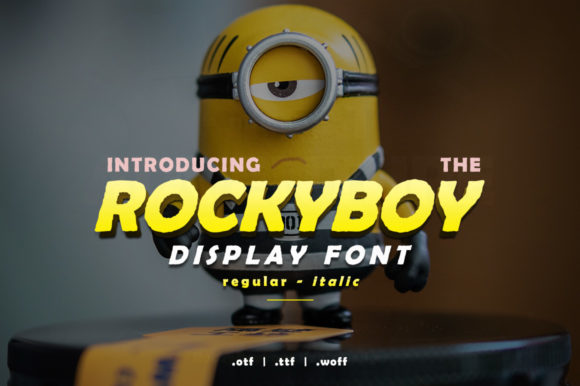
Rocky Boy is a display font that stands out in the world of typography due to its bold, dynamic style and wide range of applications. Designed with a strong visual presence, it offers a unique aesthetic that can elevate various design projects without sacrificing readability or impact.
Aesthetic Appeal and Design Philosophy
The Rocky Boy font is characterized by its thick, geometric strokes and sharp contrast between thick and thin elements. This gives it a modern yet rugged feel, making it ideal for creating attention-grabbing visuals. The design philosophy behind Rocky Boy emphasizes clarity and strength, ensuring that even in large sizes, the text remains legible and impactful.
One of the key strengths of Rocky Boy is its versatility. It works well in both digital and print formats, which makes it suitable for a variety of creative uses. Whether you're designing a poster, a music cover, or a logo, Rocky Boy can add a distinctive flair to your project.
Key Characteristics and Practical Value
- Strong Visual Impact: With its bold outlines and angular shapes, Rocky Boy commands attention immediately, making it perfect for headlines and titles.
- High Readability: Despite its bold appearance, Rocky Boy maintains good legibility at both small and large sizes, which is crucial for effective communication.
- Consistent Styling: The uniformity in stroke width and letterform construction ensures a cohesive look across different text lengths and layouts.
- Adaptable Use Cases: From branding materials to clothing designs, Rocky Boy has proven to be a flexible choice for designers looking for a striking typeface.
When considering practical value, Rocky Boy excels in scenarios where a strong visual identity is needed. Its clean lines and structured forms make it an excellent option for logos, especially in industries like fashion, entertainment, and technology.
Real-World Applications and Performance
In real-world use, Rocky Boy performs well in environments where visibility and clarity are paramount. For instance, in music covers, it helps create a memorable visual identity that aligns with the genre's energy. Similarly, on clothing, it adds a bold statement without overwhelming the design.
Professionals such as marketers, designers, and entrepreneurs often find Rocky Boy useful when they need to communicate a powerful message quickly. Its ability to convey confidence and strength makes it a popular choice for brand identities and promotional materials.
Who Benefits Most from Rocky Boy?
Rocky Boy is particularly beneficial for those working in creative fields that require a strong visual presence. This includes:
- Designers looking to enhance their portfolio with a unique and eye-catching typeface.
- Marketers aiming to create engaging content that stands out in a crowded digital landscape.
- Entrepreneurs building brand identities that reflect confidence and innovation.
- Freelancers who need a versatile font that can adapt to multiple design projects.
- Bloggers and publishers seeking a reliable and stylish option for headers and titles.
Its robust structure also makes it suitable for educational materials, where clarity and visual appeal are equally important.
Limitations and Considerations
While Rocky Boy offers many advantages, it’s important to consider its limitations. As a display font, it may not be the best choice for long-form text or body copy, where readability is critical. Additionally, its bold nature might not always align with more subtle or elegant design themes.
Designers should also be mindful of the context in which they use Rocky Boy. In some cases, its strong visual character could overshadow other design elements, so careful balancing is necessary.
Recommendations and Best Practices
To maximize the effectiveness of Rocky Boy, consider the following best practices:
- Use it strategically: Reserve Rocky Boy for headlines, logos, and other high-impact elements rather than for extensive body text.
- Pair with complementary fonts: Combine Rocky Boy with a more readable sans-serif or serif font to maintain balance in your design.
- Test across platforms: Ensure that Rocky Boy looks consistent and clear on different devices and screen sizes.
- Consider licensing: Always verify the licensing terms before using Rocky Boy in commercial or public-facing projects.
By understanding the strengths and limitations of Rocky Boy, designers can make informed decisions about when and how to incorporate it into their work.
Conclusion
Rocky Boy is more than just a display font—it's a tool that can significantly enhance the visual impact of a wide range of design projects. Its bold style, strong readability, and adaptability make it a valuable asset for professionals and creatives alike. When used appropriately, Rocky Boy can help create compelling designs that resonate with audiences and leave a lasting impression.