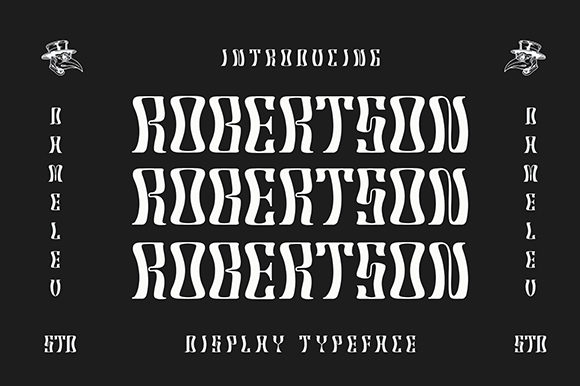
Robertson: A Unique Display Font for Creative and Professional Workflows
Robertson is a display font that stands out due to its distinctive, almost handcrafted appearance. Designed by Typodermic Fonts, it blends elements of calligraphy with modern typography, making it ideal for projects that require visual impact without sacrificing readability. Whether you're designing a logo, crafting a presentation, or creating marketing materials, Robertson can elevate your work by adding a unique touch that captures attention.
Understanding the Role of Robertson in Design Processes
In any design process, choosing the right font is crucial. Fonts influence how information is perceived and can significantly affect the overall message being communicated. Robertson, with its elegant curves and strong structure, fits well into both digital and print media. It works particularly well in headings, titles, and other areas where emphasis is needed.
When considering Robertson as part of your design toolkit, think about its versatility. It can be used in a wide range of applications, from branding and advertising to editorial design and web content. Its uniqueness makes it a great choice when you want to stand out from the crowd and make a lasting impression.
Integrating Robertson into Your Workflow
Before starting a project, consider whether Robertson aligns with your overall aesthetic goals. If your brand or theme leans towards sophistication, elegance, or artistic flair, this font could be an excellent addition. You might also use it during the brainstorming phase to visualize how different fonts will look in various contexts.
During the actual design process, Robertson can be used in several ways. For instance, it's perfect for headlines in brochures or websites, as it draws the eye and adds a sense of importance to the text. In presentations, it can be used sparingly to highlight key points or emphasize important data.
After completing a project, reviewing how Robertson was used can provide valuable insights. Did it enhance the message? Was it readable across different mediums? These reflections can help refine future use cases and ensure consistency in your design choices.
Practical Applications of Robertson
Robertson is not just a decorative font; it has practical uses in various fields. Let's explore some common scenarios where it can be effectively integrated:
- Branding: Use Robertson for logos, taglines, or brand names to create a memorable identity that reflects creativity and professionalism.
- Marketing Materials: Incorporate it into flyers, banners, and social media posts to grab attention and reinforce your brand’s visual style.
- Web Design: Apply it to website headers, buttons, or call-to-action sections to improve user engagement and aesthetics.
- Print Media: From business cards to posters, Robertson adds a touch of class that can differentiate your work from competitors.
- Presentations: Use it to highlight key slides or add visual interest to otherwise plain slideshows.
Compatibility and Usability
One of the advantages of Robertson is its compatibility with most design software and platforms. It supports major formats like Adobe Illustrator, Photoshop, InDesign, and even web-based tools such as Canva and Figma. This makes it accessible to professionals and hobbyists alike.
When using Robertson, ensure that it complements the rest of your design elements. While it's a bold font, overusing it can lead to cluttered visuals. Balance is key—pair it with simpler sans-serif fonts for body text to maintain readability and focus on the message.
Workflow Integration Tips
To integrate Robertson smoothly into your workflow, start by defining its role in each project. Ask yourself: Is this font going to be the main typeface or a supporting element? How does it interact with other design components?
Next, test Robertson in different contexts. Try applying it to mockups, prototypes, or drafts to see how it looks under various conditions. Pay attention to factors like screen resolution, print quality, and color contrast.
Finally, establish guidelines for using Robertson consistently across all your projects. This includes setting rules about when and where to use it, ensuring that it doesn't overshadow other important elements of your design.
Long-Term Use and Quality Control
For long-term use, it's essential to evaluate how Robertson performs over time. Does it remain relevant as trends evolve? Can it adapt to new design challenges or technologies?
Quality control is another aspect to consider. When working on large-scale projects, ensure that the font is properly licensed and that all team members are aware of its usage policies. This helps avoid legal issues and maintains the integrity of your brand's visual identity.
Conclusion
Robertson is more than just a font—it's a creative tool that can enhance your design process and help your work stand out. By understanding its role, integrating it thoughtfully, and applying it strategically, you can unlock new possibilities for your creative and professional endeavors. Whether you're a designer, marketer, educator, or entrepreneur, incorporating Robertson into your workflow can bring fresh energy and visual appeal to your projects.