Scoutkind: A Quirky Brushed Display Font for Informal Design Workflows
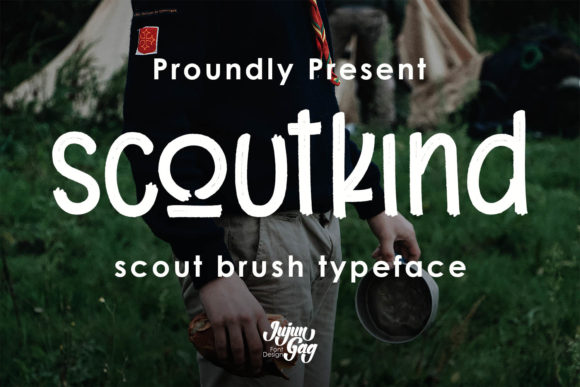
Scoutkind is a quirky brushed display font that brings a casual and relaxed aesthetic to any design project. Its unique character makes it ideal for informal designs, where the goal is to convey personality rather than strict professionalism. Whether you're working on branding materials, social media posts, or personal projects, Scoutkind offers a distinctive visual identity that stands out without overwhelming the message.
Understanding Scoutkind's Role in Design Processes
Fonts are more than just text—they're part of the visual language that communicates tone, style, and intent. Scoutkind, with its hand-brushed appearance, fits well into creative workflows that prioritize approachability and charm. It’s particularly useful in scenarios where the design needs to feel human, not overly polished or corporate.
When selecting a font for a project, designers often consider legibility, scalability, and compatibility with other design elements. Scoutkind excels in environments where these factors can be balanced with a more whimsical or laid-back vibe. It works best in headings, logos, and short-form content where the emphasis is on style over readability.
Integrating Scoutkind Into Your Workflow
Using Scoutkind effectively requires understanding when and how to apply it within your design process. Here are a few practical ways to incorporate this font into your workflow:
- Pre-Design Phase: Scoutkind can serve as inspiration during the brainstorming stage. Its quirky nature might spark ideas for themes, color palettes, or overall tone.
- During Design: Use Scoutkind for headlines, titles, or call-to-action buttons where a casual feel is desired. Pair it with more readable fonts for body text to maintain clarity.
- Post-Design Review: Evaluate how Scoutkind contributes to the overall look and feel of the project. Does it enhance the message? Is it consistent with the brand voice?
It's important to test Scoutkind across different platforms and devices to ensure it renders well. Since it's a display font, it may not be suitable for long paragraphs or small screens, so use it judiciously.
How Scoutkind Interacts With Other Tools and Resources
Scoutkind can be used in conjunction with various design tools such as Adobe Photoshop, Illustrator, Figma, and Canva. These platforms support font embedding, making it easy to integrate Scoutkind into digital projects. For print-based work, ensure that the font is embedded or converted to outlines to prevent rendering issues.
When using Scoutkind alongside other assets—like images, icons, or illustrations—consider how the font complements the overall composition. A bold, brushed font like Scoutkind can create contrast against minimalist visuals or add warmth to a more technical layout.
For web developers, Scoutkind can be implemented using Google Fonts or by linking to a local font file. Ensure that the font is optimized for performance, especially if it's used on high-traffic websites or mobile applications.
Practical Implementation Tips
To get the most out of Scoutkind, follow these tips based on real-world use cases:
- Use for Branding: Scoutkind can be an excellent choice for logos or brand names that want to convey a friendly, approachable image. It adds a touch of personality that can help differentiate a brand from competitors.
- Create Social Media Content: When designing social media posts, Scoutkind can be used for captions, hashtags, or promotional banners. Its casual style aligns well with the informal nature of platforms like Instagram or Twitter.
- Enhance Presentation Materials: In presentations or pitch decks, Scoutkind can be used for slide titles or key points to make the content more engaging and visually interesting.
- Personal Projects: If you're creating a personal blog, portfolio, or creative project, Scoutkind can give your work a unique flair that reflects your individuality.
Always consider the context in which you're using Scoutkind. While it's great for informal designs, it may not be appropriate for legal documents, financial reports, or other formal content where clarity and professionalism are paramount.
Factors to Consider When Using Scoutkind
Before integrating Scoutkind into your workflow, keep these factors in mind:
- Legibility: Even though Scoutkind has a charming look, it's important to ensure that it remains readable. Avoid using it in small sizes or low-contrast environments.
- Consistency: Maintain consistency in your design by pairing Scoutkind with complementary fonts. This helps create a cohesive visual hierarchy and improves user experience.
- Compatibility: Check that Scoutkind is compatible with the software and platforms you're using. Some tools may have limitations regarding font support or rendering quality.
- License Agreements: Make sure you understand the licensing terms for Scoutkind. Some fonts require specific permissions for commercial use, while others are free for personal or non-commercial projects.
By considering these aspects, you can ensure that Scoutkind enhances your design without causing usability issues or legal complications.
Long-Term Use and Maintenance
If you plan to use Scoutkind regularly in your work, it's worth investing in a reliable font management system. Tools like FontBase or Adobe Typekit can help organize your font library and streamline the selection process.
Additionally, keep an eye on updates or new versions of Scoutkind that may improve its performance or add new features. Staying up to date ensures that you're always using the best version available for your projects.
Finally, document your font choices and usage guidelines, especially if you're working in a team or managing multiple design projects. Clear documentation helps maintain consistency and reduces confusion during the design process.