Fosfor Display Font: A Versatile Choice for Design Projects
Fosfor is a fresh and unique display font that has gained attention among designers looking for a distinctive typographic solution. Its clean lines and modern aesthetic make it a compelling option for a variety of creative applications. Whether you're designing a magazine cover, a t-shirt graphic, or a billboard, Fosfor offers a visually appealing alternative to more traditional fonts.
What Is Fosfor?
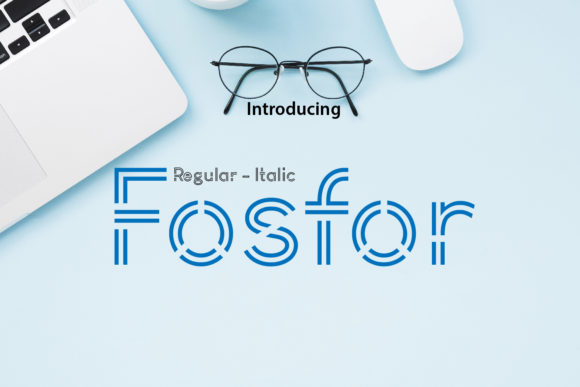
Fosfor is a display font designed to stand out in visual compositions. It features a combination of geometric shapes and subtle curves that create a balanced look. The font is available in multiple weights and styles, allowing for flexibility in design projects. Its versatility makes it suitable for both digital and print media.
Designed with readability in mind, Fosfor maintains clarity even at smaller sizes, which is essential for headlines and titles. This characteristic ensures that the font remains legible across various mediums and formats.
Reasons to Consider Fosfor
Designers may find Fosfor appealing for several reasons. First, its modern appearance aligns well with current design trends, making it a good fit for contemporary branding and marketing materials. Second, its adaptability allows it to be used in a wide range of contexts, from editorial design to product packaging.
Another advantage of Fosfor is its ability to convey a sense of professionalism while maintaining a creative edge. This duality can be particularly useful in industries where both innovation and reliability are important, such as technology, fashion, and lifestyle sectors.
Benefits and Tradeoffs
The primary benefit of using Fosfor is its visual impact. Its unique structure helps draw attention to key messages, making it ideal for headlines and call-to-action elements. Additionally, the font's availability in different weights provides designers with greater control over the hierarchy and emphasis within a layout.
However, there are some tradeoffs to consider. As a display font, Fosfor may not be the best choice for long-form text due to its stylized nature. Using it for body copy could compromise readability and potentially distract from the content.
Another consideration is the learning curve associated with integrating Fosfor into a design workflow. While it is generally straightforward to use, designers unfamiliar with display fonts may need to experiment with spacing and kerning to achieve optimal results.
Situations Where Fosfor Is a Strong Fit
Fosfor shines in situations where visual impact and brand identity are crucial. For instance, it works exceptionally well for magazine covers, where the goal is to capture attention quickly. The font's bold presence can help create a memorable first impression.
In the realm of advertising, Fosfor can be an effective tool for billboards and posters. Its ability to remain legible from a distance makes it suitable for outdoor signage, where clarity is essential. Similarly, it can be used creatively on t-shirts and other apparel to convey a strong visual message without overwhelming the viewer.
For digital projects, Fosfor can enhance the aesthetics of website headers, banners, and promotional graphics. Its compatibility with digital formats ensures that it maintains quality across different screen resolutions and devices.
When Alternatives May Be Worth Considering
While Fosfor is a versatile option, there are scenarios where alternative fonts might be more appropriate. For example, if a project requires a high degree of legibility for extended text passages, a sans-serif or serif font with a more conventional structure may be preferable.
In highly formal or academic settings, a more traditional font could be better suited to maintain a sense of authority and professionalism. Similarly, for projects targeting older audiences or those with accessibility concerns, simpler fonts may be more inclusive.
Designers should also consider the overall style and tone of their project when selecting a font. If the goal is to evoke a specific emotion or aesthetic, it's important to choose a font that aligns with that vision. In some cases, combining Fosfor with complementary fonts may yield better results than using it alone.
Practical Insights for Decision-Making
When evaluating whether Fosfor is the right choice for a project, it's important to consider the intended audience and the message being conveyed. Ask yourself whether the font will enhance or detract from the overall design. Testing Fosfor in different contexts and sizes can provide valuable insights into how it performs under various conditions.
Additionally, reviewing examples of real-world applications can help gauge how well Fosfor fits into different design scenarios. Looking at case studies or samples from other designers who have used Fosfor can offer practical guidance on its strengths and limitations.
Ultimately, the decision to use Fosfor should be based on a careful assessment of the project's requirements and goals. By weighing the benefits against potential tradeoffs, designers can determine whether this font is the best fit for their needs.